

By Narges Ekrami — ECE/TI/DN
During a morning transition in our classroom, one child became very distressed. He cried, resisted moving, and moved away from the group. As a non-verbal autistic child, he could not tell us with words what he needed, but his body was communicating clearly that something felt overwhelming.
This moment made me stop and think: How can I, as an educator, better understand what a child is communicating through their body and actions? In early childhood settings, transitions are a regular part of the day. We move from play to meals, from indoors to outdoors, and from one activity to another. For some children, especially autistic children who communicate differently, these changes can be difficult. Noise, movement, unfamiliar situations, sensory experiences, or being close to many people can create stress.
I began to look at these moments differently. Instead of asking, “How can I get the child to follow the routine?” I started asking, “What can I change to make this experience easier for the child?”
Connection before direction
I began using co-regulation more intentionally. During difficult moments, I stayed nearby, lowered my voice, slowed down, and gave the child more time to respond. I tried not to rush or give too many directions.
Sometimes, simply being present was the most helpful thing I could do. I learned that children do not always need us to immediately solve a problem. Sometimes they need a calm adult who can stay with them while they work through a difficult moment.
Over time, I noticed that when I remained calm and responsive, the child was able to settle more easily. Transitions gradually became more manageable.
This experience reminded me that regulation is not always something we can expect children to do independently. Young children often develop regulation through supportive relationships with adults who help them feel safe.
Creating opportunities through sensory play
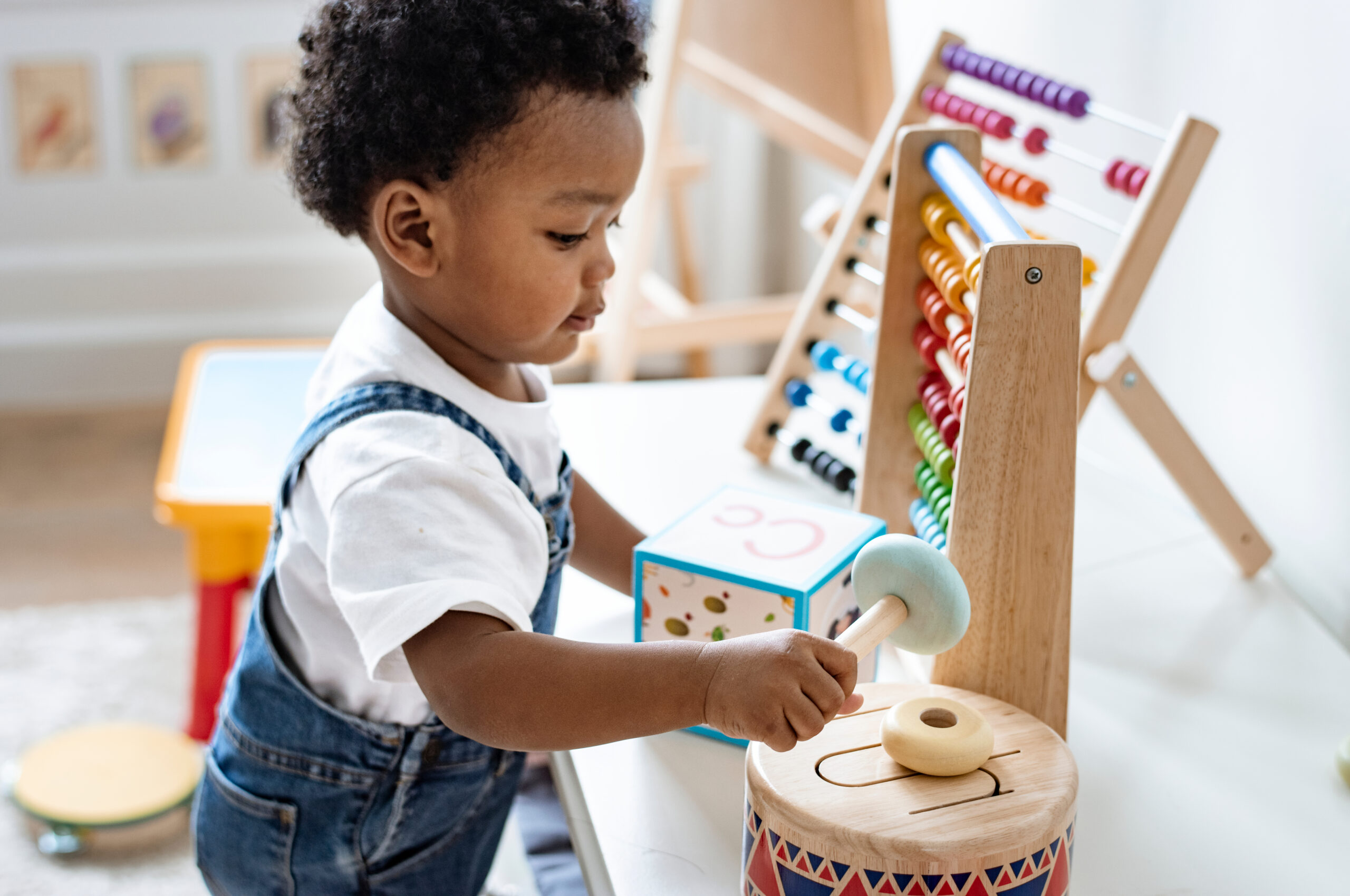
I also began offering more sensory experiences during the day. Water play, playdough, textured materials, and hands-on activities gave the child opportunities to explore and participate without depending on spoken language.
These activities were not simply ways to keep the child busy. They became ways to communicate, explore, make choices, and connect with the environment.
I also paid closer attention to the classroom environment. Predictable routines, repetition, visual cues, and familiar songs helped make transitions easier to understand. When children know what is coming next, there may be less uncertainty. Small changes in the environment can sometimes make a big difference.
Making space for social connection
Peer interaction was another area where I learned to slow down.
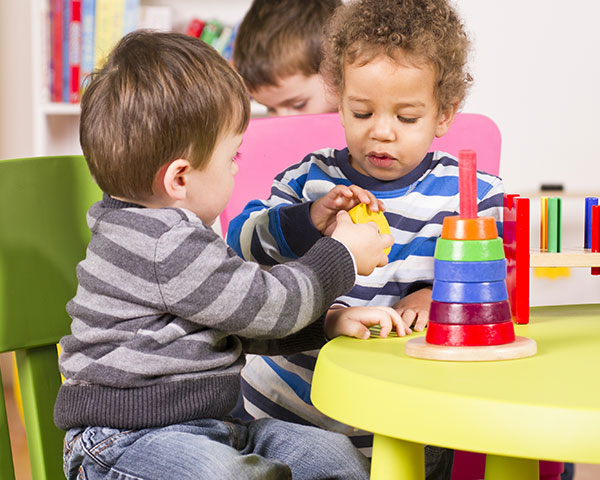
At first, the child often preferred to play alone and appeared uncomfortable when other children came too close. Rather than asking him to join the group, I began by supporting parallel play. I sat nearby, talked about what the children were doing, and created opportunities for small-group play. I did not expect immediate interaction.
Instead, I focused on creating opportunities for the child to become comfortable sharing space with others. Gradually, I noticed small changes. The child began spending more time near peers and participating in shared spaces. These moments might have looked small to someone else, but to me they were meaningful signs of growing comfort and connection.
What I have learned
This experience changed the way I think about inclusion.
Inclusion is not always about helping a child participate in the same way as everyone else. Sometimes it means changing the environment, slowing down the routine, offering different ways to communicate, or giving a child more time and space.
For educators supporting non-verbal autistic children, I have found these approaches particularly helpful:
- Slow down transitions and give children extra time to process what is happening.
- Stay calm and present when a child is distressed.
- Watch the child’s body and actions as forms of communication.
- Offer sensory experiences that provide different ways to explore and participate.
- Use predictable routines, visual cues, and familiar songs to reduce uncertainty.
- Support peer interaction without forcing it.
- Focus on connection before expecting independence.
- Reflect on our own practice and ask what we can change in the environment or our approach.
Most importantly, I have learned to look beyond behaviour.
A child who cries, moves away, refuses an activity, or avoids a group may be communicating a need. When we pause and become curious about what the child is telling us, we may find new ways to support them.
For me, inclusive practice is an ongoing process of listening, observing, adapting, and learning. When we create environments where children feel safe and understood, we give them more opportunities to participate, communicate, and build relationships in their own ways.
About the Author
Narges Ekrami is an ECE/TI/DN, with more than 25 years of experience in education, teaching, and working with children and families. She works with the University of British Columbia Child Care Services and is passionate about inclusive early learning, play-based practice, physical literacy, risky play, and supporting children with diverse ways of communicating and learning.